Caucus News
- Details
- Category: Senator Bill Cunningham News
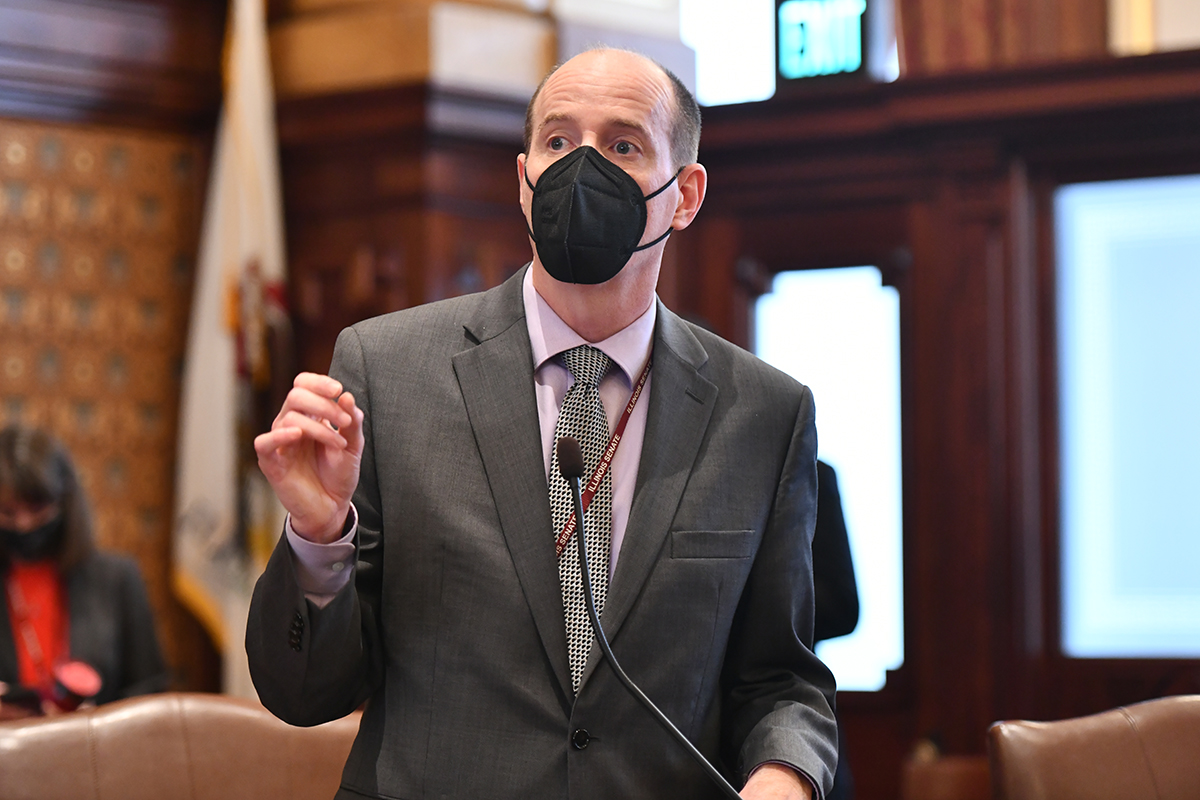
SPRINGFIELD – Senator Bill Cunningham passed a plan out of the Illinois Senate that would allow small breweries, meaderies, and winemakers to distribute their products to local bars, grocery stores, and liquor stores directly rather than through a third party, helping local businesses reach their customers.
“We’ve seen an explosion of small beer, wine, and mead makers in recent years, and they’ve become staples of our local bar and restaurant scene,” said Cunningham, a Democrat who represents portions of Chicago and the southwest suburbs. “People want to be able to buy their products at local grocery and liquor stores, and we should make that easier to do.”
Under current Illinois law, most companies that produce alcohol have to sell their products to local grocery and liquor stores through a third-party distributor. Tracing back to the post-prohibition era, this set up is meant to help prevent the unregulated sale of alcohol and aid in the collection of alcohol-related taxes. It is still employed by almost every state in the U.S.
Read more: Cunningham plan gives breweries and meaderies more options to reach customers
- Details
- Category: Senator Christopher Belt News
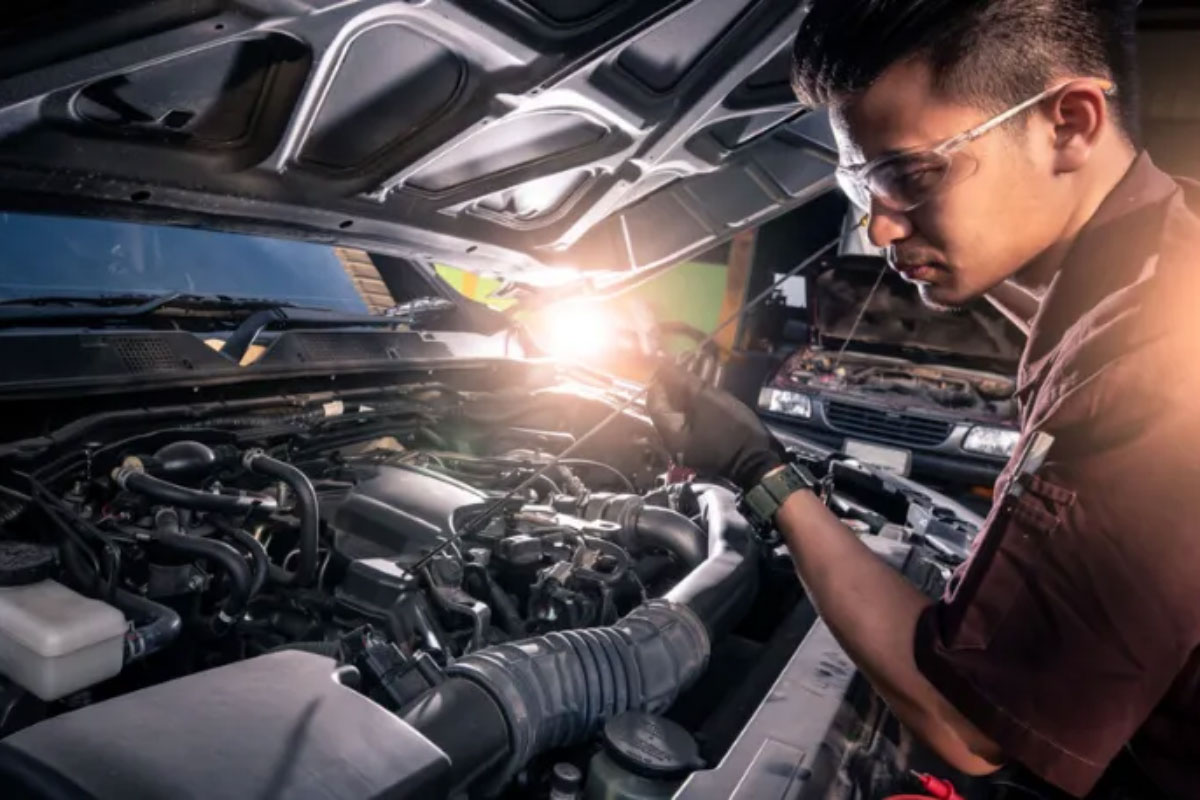 SPRINGFIELD – Technicians will be entitled to fairer compensation thanks to a measure sponsored by State Senator Christopher Belt (D-Swansea) that passed the General Assembly Sunday.
“This measure addresses the unjust approach many manufacturers take toward paying technicians,” Belt said. “Technicians are often treated unfairly, and this ensures they'll be properly compensated for their hard work and expertise.”
Under House Bill 3940, manufacturers must pay dealerships the same effective labor rate as the dealership receives for customer-pay repairs. Currently, that's often not the case, even as technicians are using the same skills and expertise to perform what is effectively the same type of work.
Read more: Belt's plan to ensure fair pay for automotive technicians passes General Assembly
- Details
- Category: Senator Laura Fine News
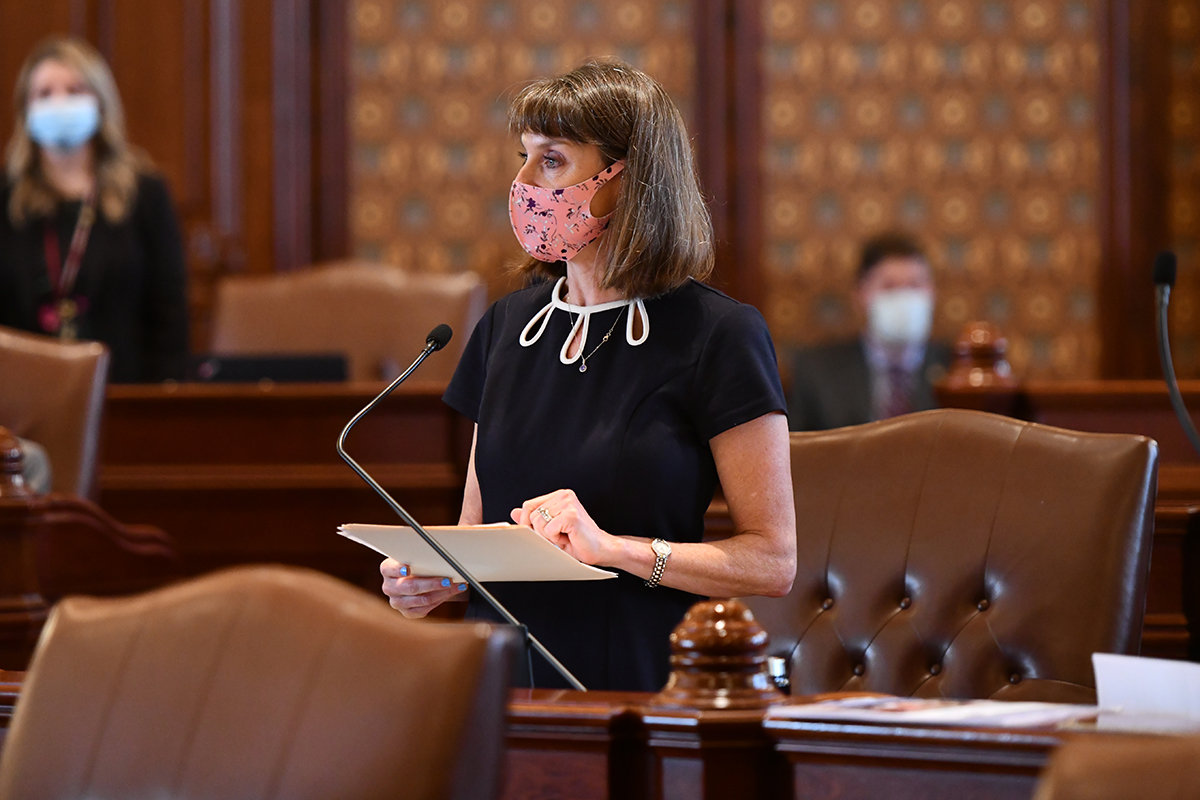
SPRINGFIELD – Individuals seeking telehealth treatment would be able to rely on their insurance company to cover care under a measure cosponsored by State Senator Laura Fine (D-Glenview), which passed the Senate Sunday.
“During the pandemic, telehealth proved to be lifesaving for many Illinois residents, especially for those seeking behavioral and mental health services,” Senator Fine said. “In addition, expanding telehealth coverage will make access to treatment easier for individuals, especially those who are homebound and those without reliable transportation options.”
Under current law, insurance companies may, but are not required to provide coverage for telehealth services. This measure would ensure coverage for clinically appropriate and medically necessary telehealth services at the same rate as in-person services.
Read more: Senator Fine votes to permanently expand telehealth coverage
- Details
- Category: Senator Linda Holmes News
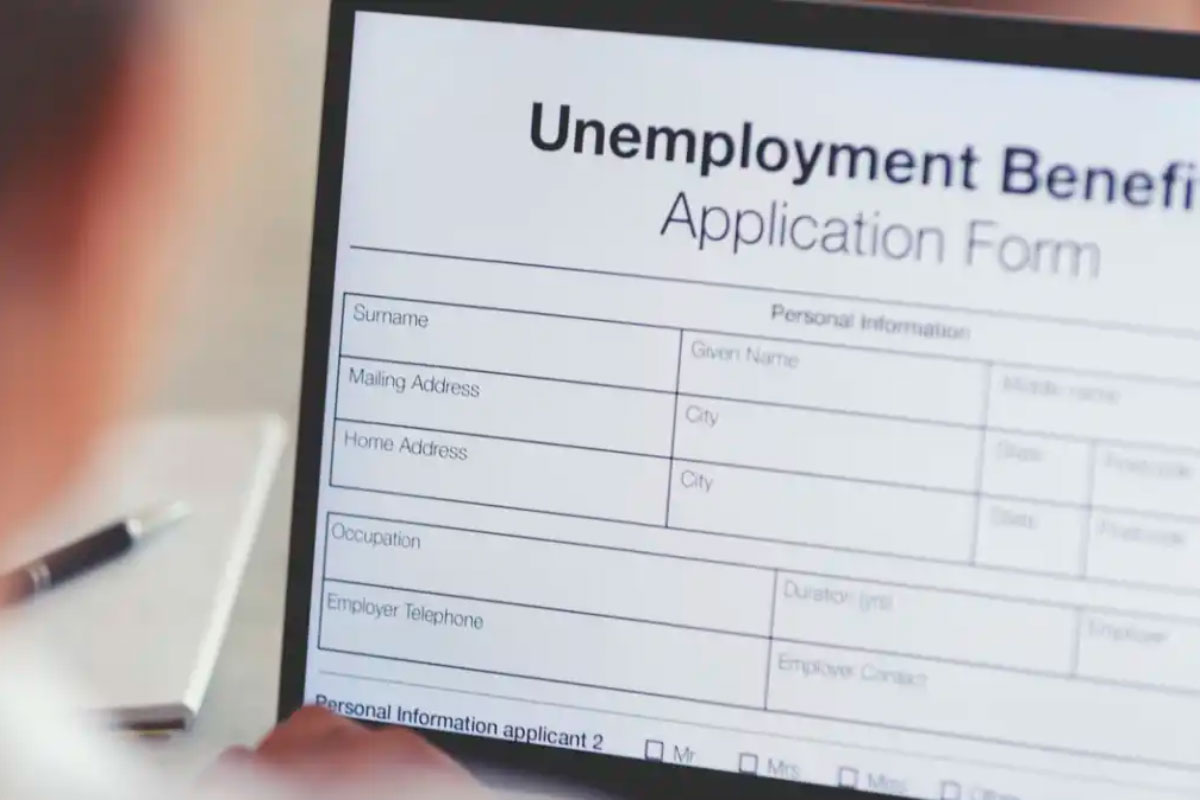 SPRINGFIELD – After an unprecedented 14 months for the Illinois Department of Employment Security with thousands of residents out of work due to the COVID-19 pandemic, the Senate passed a bipartisan reform package Sunday led by Senator Linda Holmes (D-Aurora) to overhaul the way the department addresses unemployment benefits claims.
“This represents an agreement by business and labor groups along with IDES, to fix the state’s unemployment system,” said Holmes. “It aims to correct the flaws revealed in a system that wasn’t designed to address the job losses, customer service problems, and fraudulent claims that hit the state all at once during the pandemic.”
- Details
- Category: Senator Ann Gillespie News
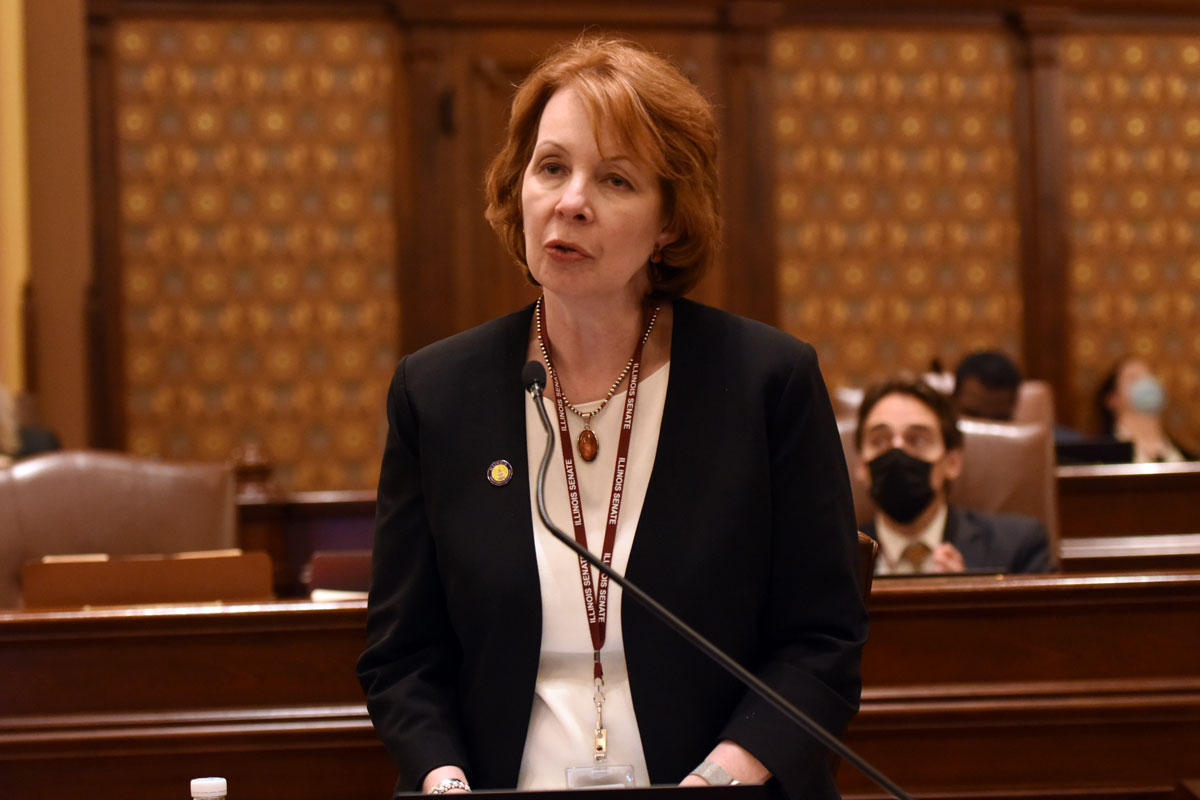 SPRINGFIELD – Two measures introduced by State Senator Ann Gillespie (D-Arlington Heights) that would assist school social workers with earning their degrees and paying off their tuition advanced from both chambers of the General Assembly yesterday.
“These measures address both the student debt crisis and our shortage of professional, culturally competent social workers,” Gillespie said.
Senate Bill 661 would require the Illinois Student Assistance Commission (ISAC) to award up to 250 Post-Master of Social Work Professional Educator License scholarships each year. Scholarship recipients would be required to work at a public or not-for-profit P-12 school in Illinois for at least two of the five years immediately following their graduation.
Read more: Gillespie social work education package heads to governor
- Details
- Category: Senator Robert Peters News

SPRINGFIELD – A State Senator Robert Peters (D-Chicago)-sponsored proposal to stop the use of deceptive interrogation practices on children has been approved by the Illinois General Assembly.
“When a kid is in a stuffy interrogation room being grilled by adults, they’re scared and are more likely to say whatever it is they think the officer wants to hear to get themselves out of that situation, regardless of the truth,” Peters said. “Police officers too often exploit this situation in an effort to elicit false information and statements from minors in order to help them with a case. Real safety and justice can never be realized if we allow this practice to continue.”
Senate Bill 2122 provides that if during an interrogation, a law enforcement officer intentionally engages in deception of a minor under the age of 18, any statements provided the minor would inadmissible as evidence in court. Under the legislation, deception is defined as “knowingly providing false information about evidence or leniency.”
Read more: General Assembly approves Peters’ ban on deceptive practices against minors
- Details
- Category: Senator Robert Peters News

SPRINGFIELD – Illinois could soon be the ninth state to guarantee students daily playtime after a measure sponsored by State Senator Robert Peters (D-Chicago) cleared the General Assembly Sunday.
“When I was growing up, unstructured playtime was a key part of my development, which is why I believe it should be a guaranteed right for all kids,” Peters said. “Physical activity also helps keep children’s minds sharp, and the exercise they get helps keep them healthy.”
Senate Bill 654 requires elementary schools to guarantee at least 30 minutes daily to students in kindergarten through fifth grade each day for supervised, unstructured play. Electronic devices may not be used during this time, and a physical education course does not count to fulfill the legislation’s requirements.
Read more: Senate approves Peters’ measure guaranteeing play time in school
- Details
- Category: Senator Sara Feigenholtz News

SPRINGFIELD – On Saturday, the Illinois Senate approved State Senator Sara Feigenholtz’s measure that would restrict the use of restraints on children in the custody of the Department of Children and Family Services during transfers.
“Children at DCFS are our state’s most vulnerable population,” said Feigenholtz. “They have had enough trauma. We need to ensure shackling them will never happen.”
Over the past few years, there have been several reported instances of shackles and other hard restraints being used during the transport of youth under the care of the Department of Children and Family Services. Feigenholtz’s measure ensures that DCFS treat youth in their care with dignity at all times, which would effectively ban the use of restraints during transportation.
Read more: Feigenholtz’s child restraint ban clears General Assembly
More Articles …
Page 522 of 821