
Caucus News
- Details
- Category: Member News
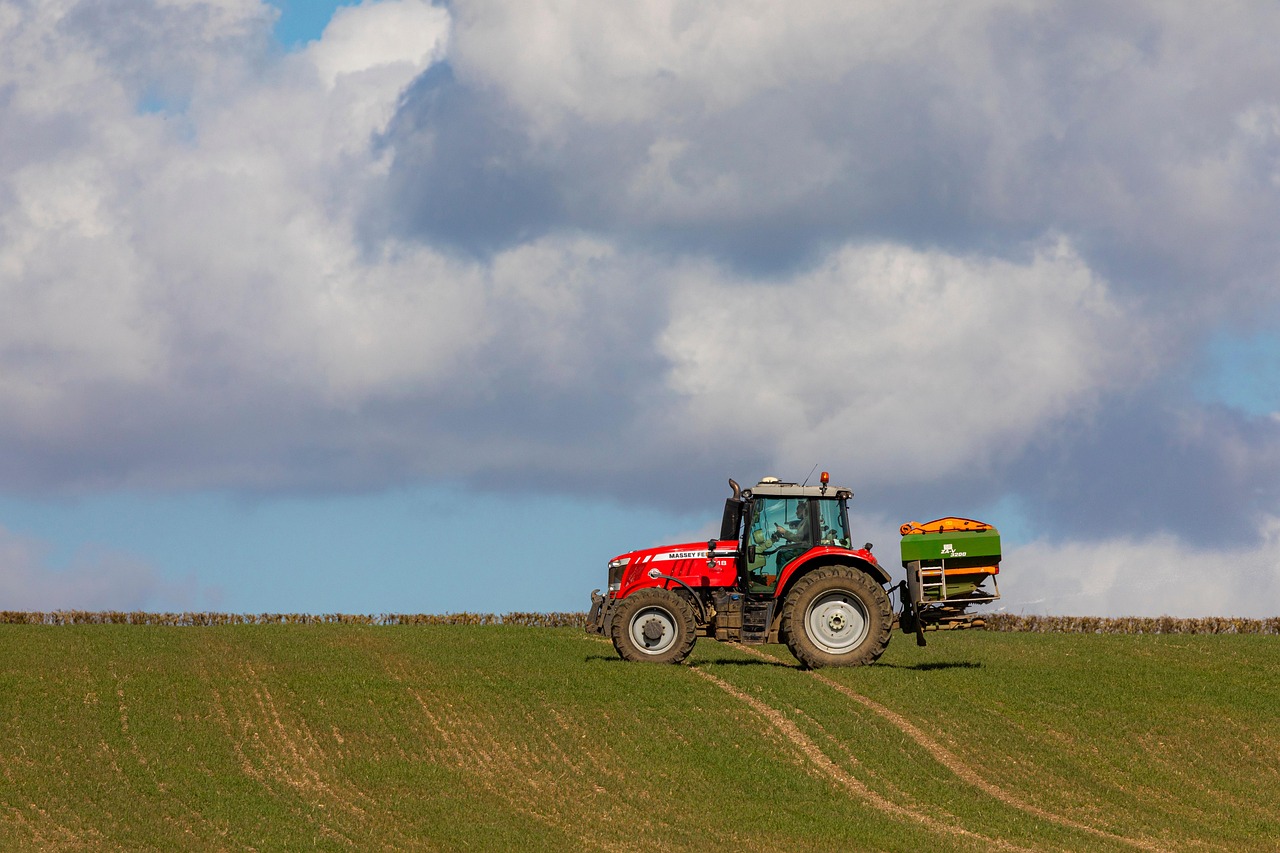 State Senators Doris Turner and Dave Koehler are encouraging local farmers, food processors and agricultural businesses to apply for a new round of funding through the Local Food Infrastructure Grant Program, which will provide $1.8 million to strengthen Illinois’ local food supply chain.
“Everyone needs access to whole, nutritious, locally-sourced foods,” said Turner (D-Springfield), chair of the Senate Agriculture Committee. “By fortifying the food system, we are supporting our local farmers and mitigating food insecurity. This funding will expand access to fresh, local foods, strengthen the local economy, and grow the food supply chain.”
Read more: Koehler, Turner highlight $1.8 million to strengthen Illinois’ local food systems
- Details
- Category: Member News
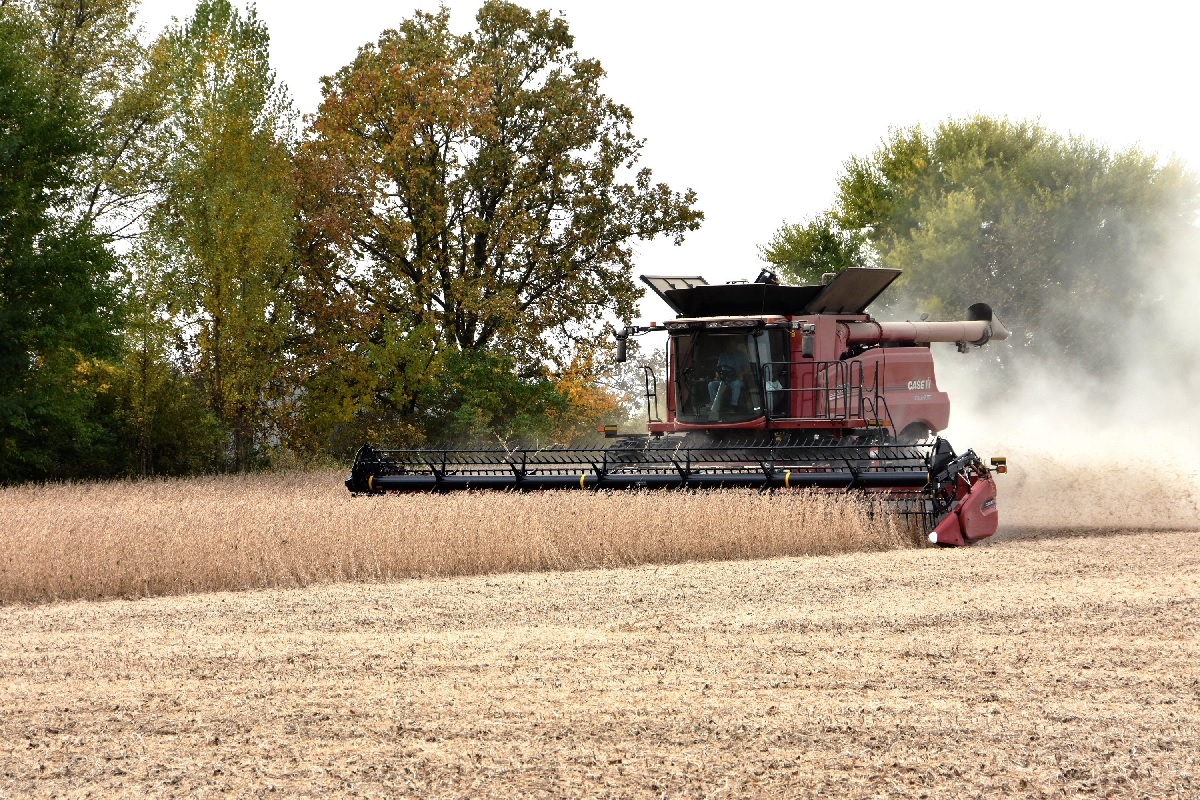 CHICAGO — Members of the Illinois Senate Democratic Caucus celebrated the announcement of relief for the agriculture industry to mitigate increasing diesel fuel costs.
The support allows Illinois farmers to use dyed diesel fuel when driving on roads, even though it is typically only used for agricultural purposes. Additional protections for farmers will also be considered as the fuel markets and agricultural economy face continued disruptions.
“Illinois farmers are already paying more to grow their crops, and now diesel is getting more expensive, too,” said State Senator Mike Halpin (D-Rock Island). “Nobody should pour their sweat into the land only to lose money on it. This diesel relief gives farmers a real chance to come out ahead, and that's exactly what they've earned.”
Read more: Senate Democrats applaud support limiting diesel fuel costs’ impact on Illinois farmers
- Details
- Category: Senator Sara Feigenholtz News
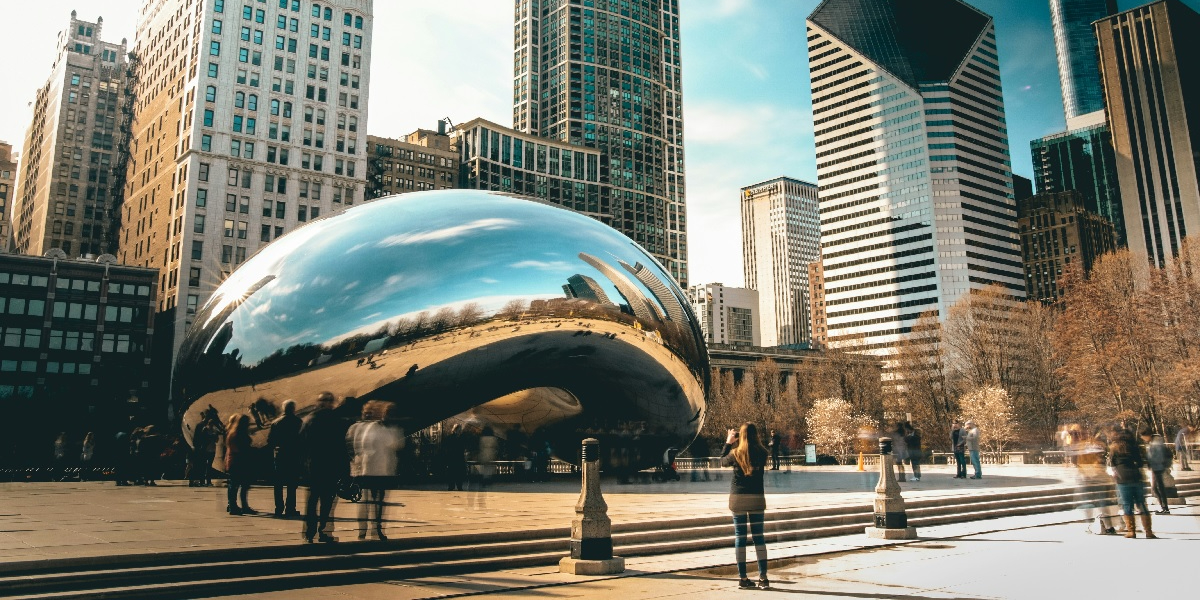 CHICAGO - From Chicago's Michigan Avenue to iconic roadside stops like the Cozy Dog Drive-In in Springfield, Illinois’ 300-mile stretch of Route 66 and other tourist attractions are getting a major financial boost.
Governor JB Pritzker and the Illinois Department of Commerce and Economic Opportunity announced $4.6 million in new grant funding today to 49 grantees designed to preserve and promote tourism. Special projects include initiatives along Route 66 and destinations across the state and international markets.
“Chicago is Illinois’ front door to the world, welcoming visitors from across the country and around the globe who stay in our hotels, dine at our restaurants, shop at our small businesses, and experience everything our city and state have to offer,” said Feigenholtz (D-Chicago). “These investments will help ensure that visitors discover the communities, historic destinations, and cultural experiences that make our state unique.”
Tourism has reached record-breaking numbers. In fiscal year 2025, 115 million tourists visited Illinois, spending $50.2 billion.
To sustain this economic momentum, the state is investing in some of its most famous landmarks. The Route 66 Grant Program will receive $2 million to support special projects along the iconic highway that’s been the backdrop for generations of family trips, photos and memories.
To build on the legacy of Illinois travel, marketing efforts targeted at a range of travelers are part of the grant funding. The International Tourism Grant Program designates funding for targeted outreach to markets in countries like Mexico, Canada, UK/Ireland, Germany, India and Japan with the primary goal of increasing international travel to Illinois.
Through the Tourism Marketing Partnership Grant Program, funding will assist local organizations with promoting events to increase overnight stays.
With this latest investment, Illinois communities will have new opportunities to showcase what makes their part of the state worth exploring.
- Details
- Category: Majority Report

Senate Democrats highlight continued PFAS prevention efforts
SPRINGFIELD — As Illinois recognized PFAS Awareness Week, members of the Illinois Senate Democratic Caucus are highlighting a comprehensive effort to reduce exposure to per- and polyfluoroalkyl substances, strengthen environmental monitoring and protect Illinois families from these persistent chemicals.
“Parents shouldn’t have to question whether products made for their children contain intentionally added chemicals when safer alternatives exist,” State Senator Laura Fine said. “This bill reduces unnecessary PFAS exposure in items designed for infants and children while still accounting for essential medical uses and federal requirements.”
Harmon, Halpin support Joslin following Tyson Foods facility closure
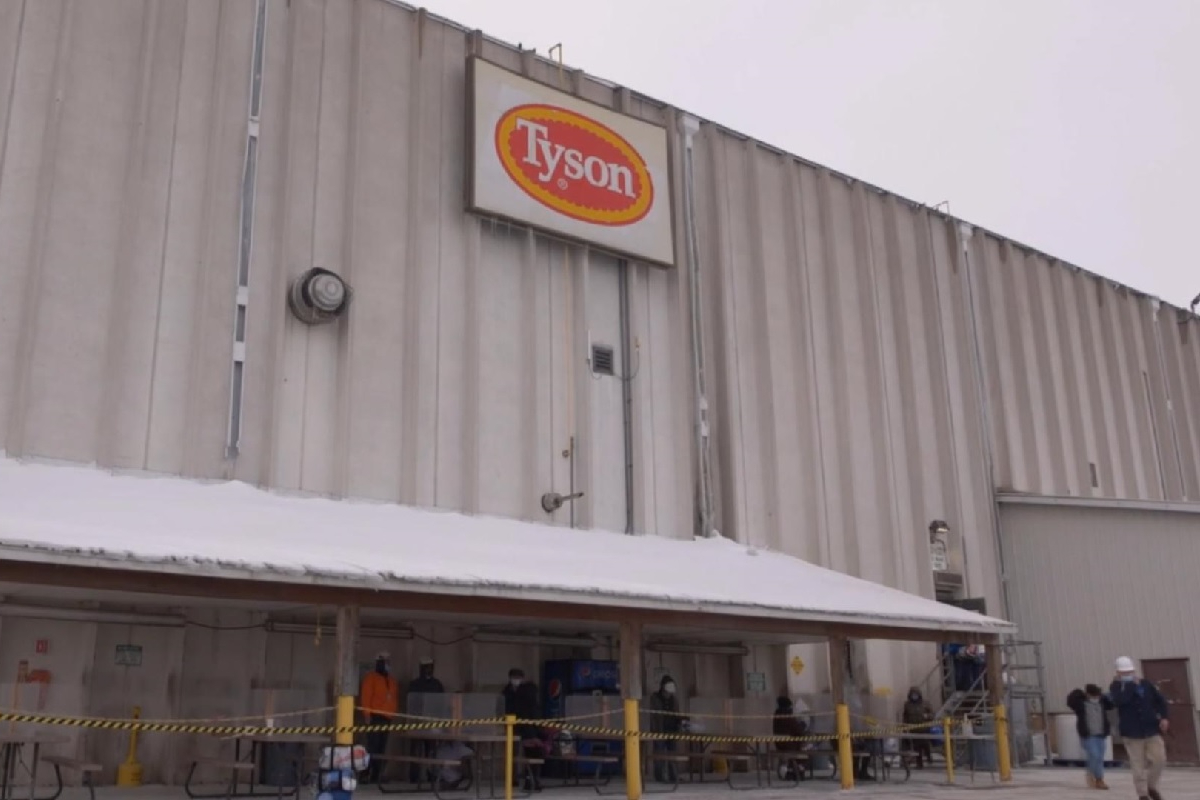
JOSLIN — Senate President Don Harmon and State Senator Mike Halpin have fought to support the Joslin community following the recent closing of Tyson Foods’ beef plant in the town.
“Illinois is home to a world-leading agriculture industry built on generations of hard work by farm families and the people who process, move and deliver what they produce,” said Harmon (D-Oak Park). “We know this is a challenging time for many of those families and workers. I appreciate Governor Pritzker moving quickly to put the state’s economic development resources to work and sending a clear message that Illinois is ready to compete for the businesses and quality jobs these communities deserve.”
“I’m pleased to see Governor Pritzker and DCEO taking action to bring new jobs and investment to the former Tyson facility in Joslin,” said Halpin (D-Rock Island). “When Tyson abruptly closed the plant with little warning, thousands of hardworking people and their families were left facing an uncertain future. This community deserves better, and I’m hopeful this investment will help attract a new employer, create good-paying jobs and bring greater economic stability back to the region.”
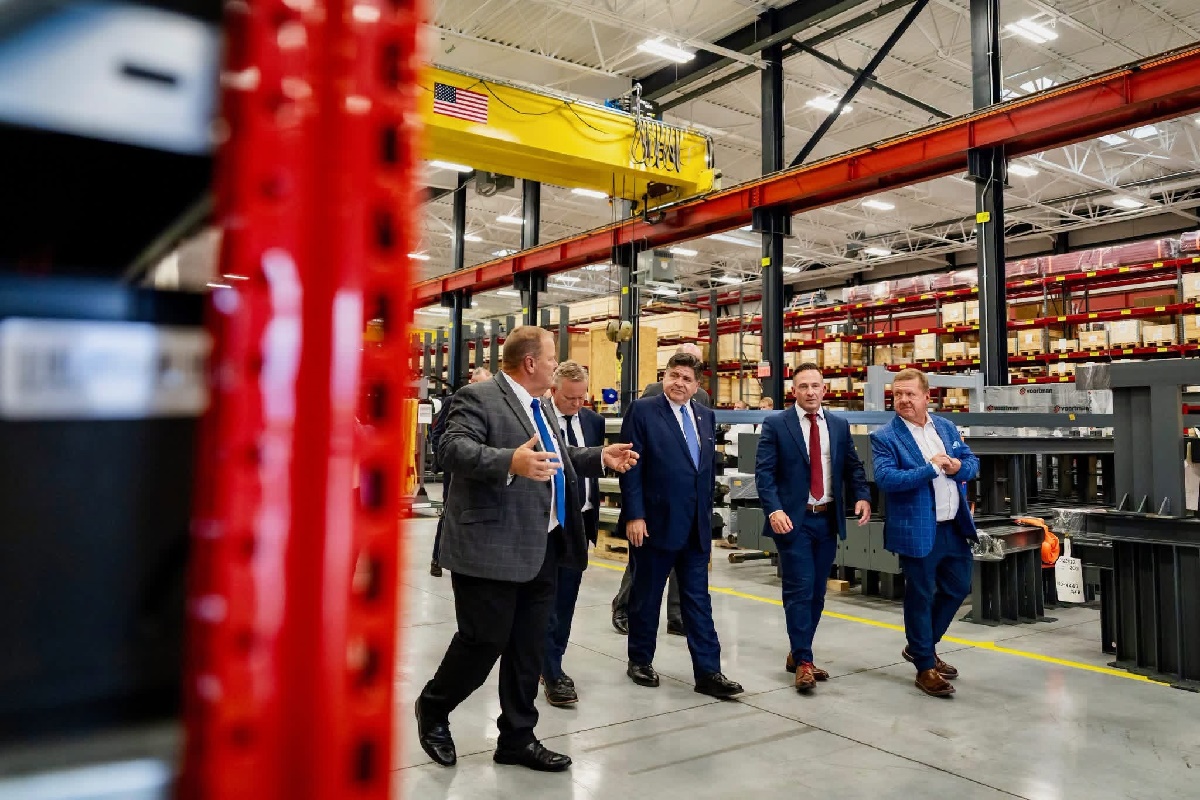
Joyce celebrates grand opening of Voortman Steel USA Headquarters in Monee
MONEE — State Senator Patrick Joyce joined Voortman Steel Machinery leadership, Governor Pritzker, the Illinois Department of Commerce and Economic Opportunity and local leaders to celebrate the grand opening of the company’s $51 million expansion project in Monee.
“I am glad to say that this state has fully backed what we are seeing today,” said Joyce (D-Essex). “This is our third major project in this manufacturing corridor. The Voortman Headquarters will be in this community for generations to come, and that’s something to be proud of.”
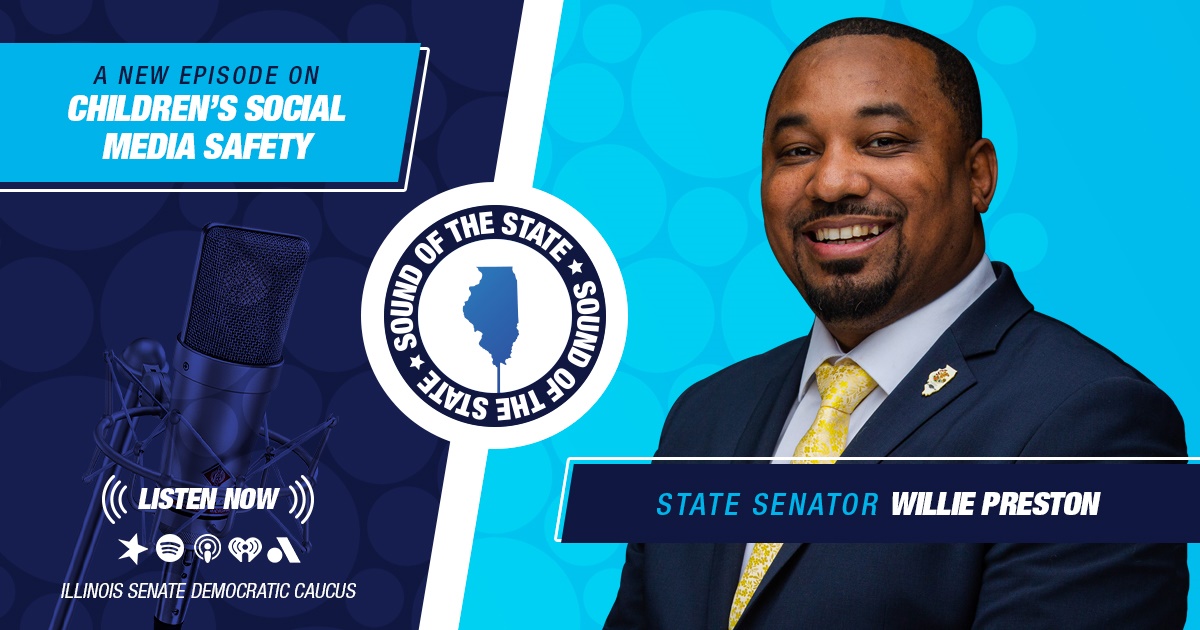
Children's Social Media Safety
Today’s parents face an ever-changing world of social media algorithms designed to keep children scrolling. State Senator Willie Preston discusses the Children’s Online Social Media Safety Act, recently signed into law to provide age verification, notification limits, privacy protections and put parents back in control.

In case you missed it
MEMBERS IN THE NEWS
State Senator Michael E. Hastings, Frankfort: Governor JB Pritzker signs protections against insurance rate hikes | Chicago Tribune
State Senator Julie Morrison, Lake Forest: Illinois recognizes gambling addiction, allowing new treatment options | WMOI
State Senator Ram Villivalam, Chicago: Governor Pritzker signs insurance reforms to protect consumers and address affordability | Riverbender
Copyright 2026 - Illinois Senate Democratic Caucus - All Rights Reserved
- Details
- Category: Senator Patrick Joyce News
MONEE – State Senator Patrick Joyce joined Voortman Steel Machinery leadership, Governor Pritzker, the Illinois Department of Commerce and Economic Opportunity and local leaders to celebrate the grand opening of the company’s $51 million expansion project in Monee.
“I am glad to say that this state has fully backed what we are seeing today,” said Joyce (D-Essex). “This is our third major project in this manufacturing corridor. The Voortman Headquarters will be in this community for generations to come, and that’s something to be proud of.”
Read more: Joyce celebrates grand opening of Voortman Steel USA Headquarters in Monee
- Details
- Category: Member News
SPRINGFIELD – As Illinois recognizes PFAS Awareness Week, members of the Illinois Senate Democratic Caucus are highlighting a comprehensive effort to reduce exposure to per- and polyfluoroalkyl substances, strengthen environmental monitoring and protect Illinois families from these persistent chemicals.
PFAS have been widely used in consumer and industrial products can persist in the environment. Illinois has taken significant steps to address PFAS in recent years, including establishing drinking water and groundwater standards and enacting restrictions on certain PFAS-containing products. Senate Democrats are continuing that work by advancing legislation focused on testing, source reduction, consumer protections, wastewater and the state’s water resources.
To better understand and address PFAS in Illinois’ waterways and wastewater systems, State Senator Laura Fine (D-Glenview) is leading efforts to increase testing and transparency through Senate Bill 3917. The law requires certain facilities operating under wastewater discharge permits to conduct periodic PFAS sampling, including testing of influent, effluent and biosolids at covered publicly owned treatment works. The law takes effect Jan. 1, 2027.
Read more: Senate Democrats highlight continued PFAS prevention efforts
- Details
- Category: Member News
JOSLIN — State Senator Mike Halpin and Senate President Don Harmon have fought to support the Joslin community following the recent closing of Tyson Foods’ beef plant in the town.
“Illinois is home to a world-leading agriculture industry built on generations of hard work by farm families and the people who process, move and deliver what they produce,” said Harmon (D-Oak Park). “We know this is a challenging time for many of those families and workers. I appreciate Governor Pritzker moving quickly to put the state’s economic development resources to work and sending a clear message that Illinois is ready to compete for the businesses and quality jobs these communities deserve.”
Read more: Harmon, Halpin support Joslin following Tyson Foods facility closure
- Details
- Category: Majority Report
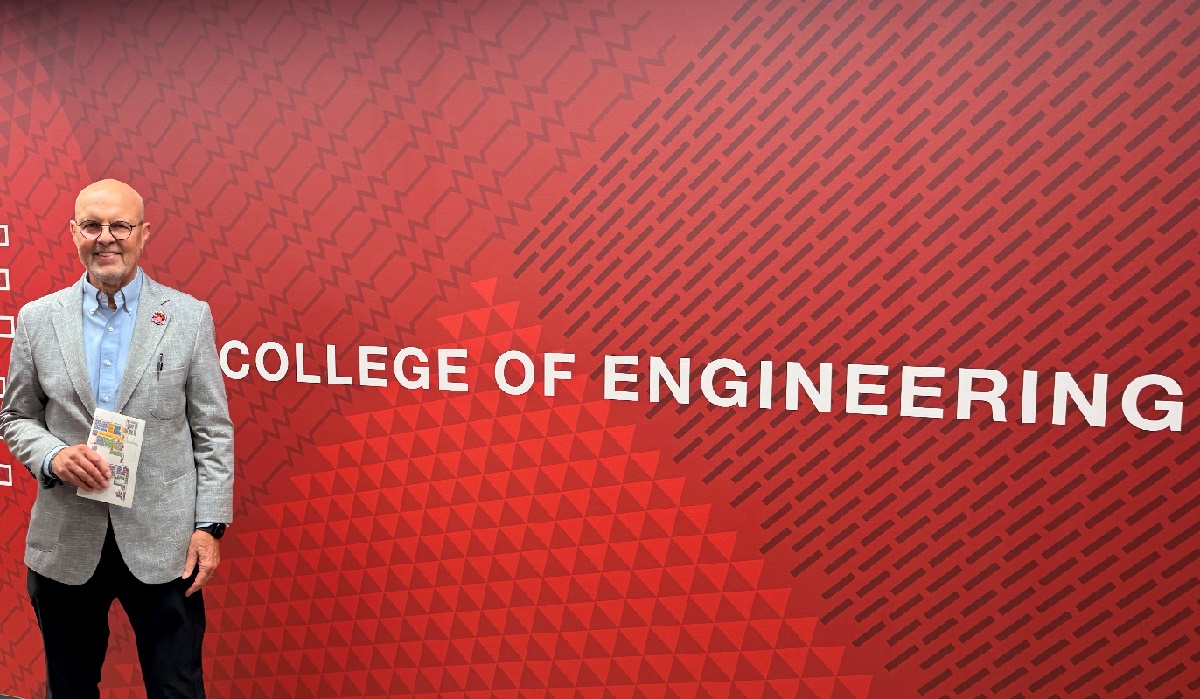
Koehler shares his enthusiasm for new Illinois State University College of Engineering
NORMAL — State Senator Dave Koehler joined Illinois State University leaders and state officials to celebrate the opening of the university’s new College of Engineering facility.
“The opening of Illinois State University’s School of Engineering is an exciting investment in our students and the future of our workforce,” said Koehler (D-Peoria). “Expanding opportunities to pursue engineering at ISU will help grow the talent pipeline so more students call central Illinois home.”

Hunter, Turner highlight continued investment to prevent food insecurity
SPRINGFIELD — State Senators Mattie Hunter and Doris Turner announced new funding opportunities under the Illinois Grocery Initiative. Together, the New Stores in Food Deserts, Equipment Upgrades and Grocery Rescue grant programs represent a $26 million effort to address food deserts and prevent grocery store closures in communities across the state.
“All Illinoisans deserve access to fresh and healthy foods,” said Hunter (D-Chicago). “The Illinois Grocery Initiative is critical to ensuring this goal becomes a reality. I’m thrilled to see the state’s continued investment in these efforts to prevent food insecurities across Illinois.”
“The Illinois Grocery Initiative has been essential to combating the development of food deserts across the state,” said Turner (D-Springfield). “This next round of funding will build upon the state’s continued efforts to eliminate food deserts and support local grocers, while simultaneously boosting our state’s economy.”

Sims celebrates Illinois' 12th consecutive credit upgrade since 2021
CHICAGO — For the second time in one week, Illinois has seen another improved bond rating. S&P Global Ratings – one of the nation’s major credit rating agencies – announced a credit upgrade thanks to the fiscally responsible decisions made by Illinois Democrats.
In response, Majority Caucus Appropriations Leader Elgie R. Sims, Jr. (D-Chicago) released the following statement:
“Today’s news confirms that years of making fiscal discipline our guiding principle are working as intended – we are helping Illinois maintain stability and make smart investments during federal uncertainty that are setting Illinois up for long-term financial success. S&P’s upgrade shows our responsible budgeting approach is paying off and is independent proof that Illinois is an excellent investment."
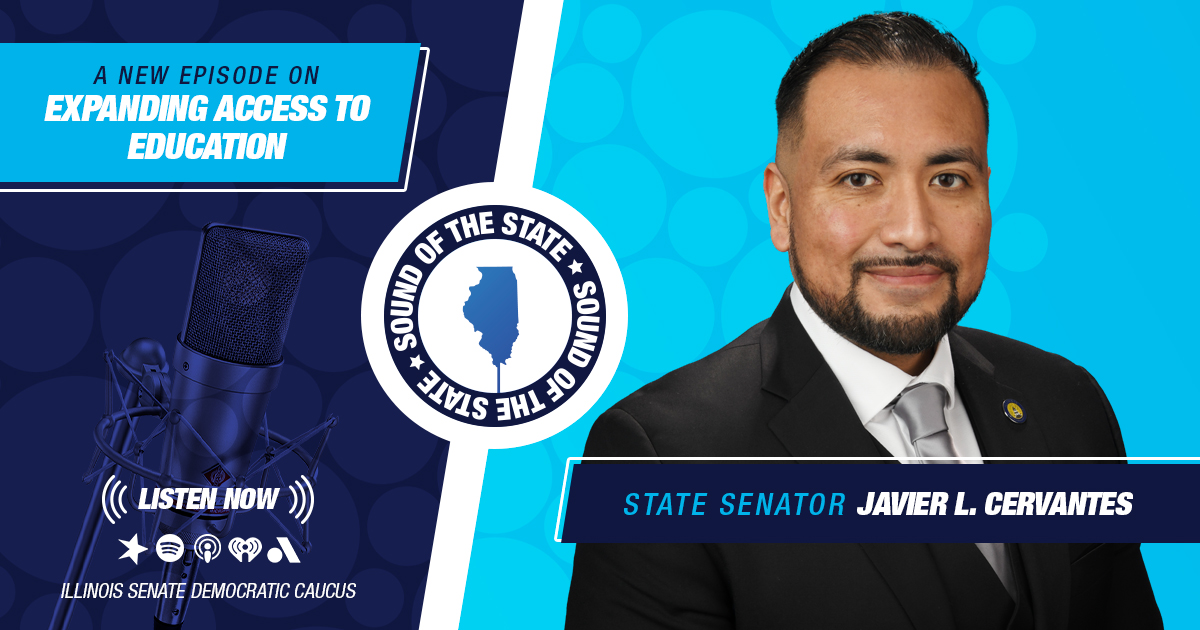
Expanding access to education
State Senator Javier Cervantes discusses efforts to make higher education more accessible for Illinois students, including his partnership with Hope Chicago and legislation giving students dedicated time and assistance to complete the FAFSA, as well as the importance of continued investment in education.
In case you missed it
MEMBERS IN THE NEWS
State Senator Mary Edly-Allen, Grayslake: Lawmakers behind state AI safety laws call for industry-wide AI safety pact to protect the public | EIN Presswire
State Senator Mike Halpin, Rock Island: Portion of US 150 in Galesburg dedicated to fallen soldier | WQAD
State Senator Ram Villivalam, Chicago: Illinois Treasurer Frerichs, labor leaders highlight new law allowing investment in affordable housing ahead of Labor Day | The Business Gazette Online
Copyright 2026 - Illinois Senate Democratic Caucus - All Rights Reserved
More Articles …
Page 1 of 823

Follow ILSenDems




Member News
-
Holmes’ new law gives family courts guidance to resolve pet custody when domestic partners split
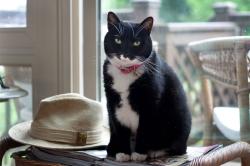 SPRINGFIELD – State Senator Linda Holmes remains steadfast in pursuing legislation to improve living conditions for animals, as her measure providing statutory guidance to Illinois courts when considering pet possession when unmarried couples break u...
 -
Porfirio resolution honors U.S. Marine Corps
 SPRINGFIELD – State Senator Mike Porfirio led a resolution to honor the U.S. Marine Corps through renaming a portion of Interstate Route 80. “Since its creation, the Marine Corps has played a key role in protecting and safeguarding the security and fr...
 -
Hastings: Freedom is never free
 SPRINGFIELD — State Senator Michael E. Hastings supported a resolution to honor the United States Marine Corps through renaming a portion of Interstate Route 80. Hastings, who served as a U.S. Army officer during Operation Iraqi Freedom, rose in supp...
 -
Jones honors fallen state trooper with memorial highway
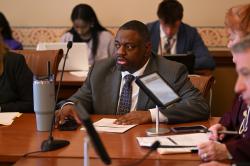 SPRINGFIELD – State Senator Emil Jones III successfully led a resolution to rename a portion of I-55 in honor of late State Trooper Clay M. Carns. “Trooper Carns died doing the same thing he had done every day for 11 years – diligently and faithfully...
 -
Johnson declares Menopause Awareness Week
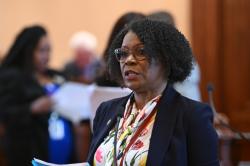 SPRINGFIELD – To bring awareness to a condition that will be faced by more than half of all Illinoisans, State Senator Adriane Johnson championed the effort to declare Oct. 11-17, 2026 Menopause Awareness Week. “Highlighting menopause is vital to gua...
 (217) 782-2728
 321 State House
Springfield, IL 62706



(312) 814-2075
160 N. LaSalle St., Ste. 720
Chicago, IL 60601