
Caucus News
- Details
- Category: Senator Adriane Johnson News
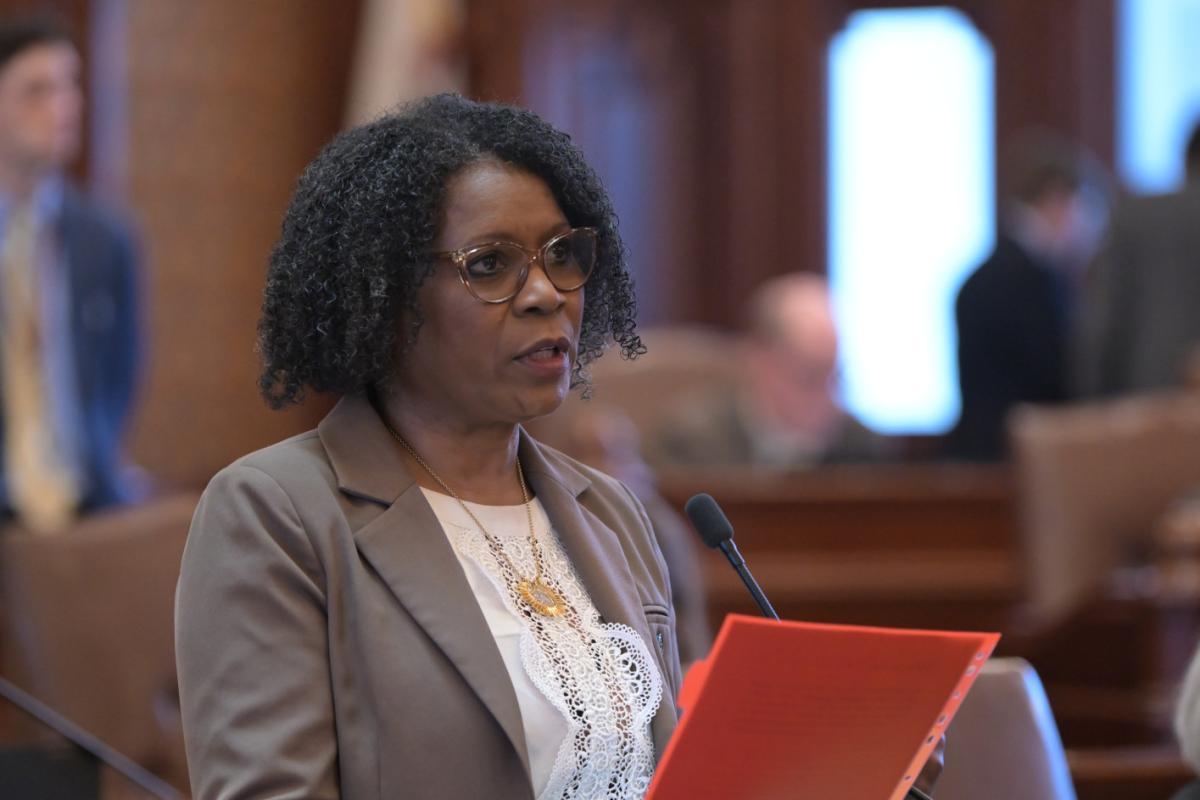
SPRINGFIELD – To ensure patient’s medical information is kept private, State Senator Adriane Johnson’s new law will remove hormonal medications such as testosterone and estrogen from the Illinois Prescription Monitoring Program.
“No one should fear being monitored or tracked for receiving hormone replacement therapy prescribed by their healthcare provider,” said Johnson (D-Buffalo Grove). “Respecting medical privacy allows patients to access care with confidence and peace of mind.”
Intended to prevent patients from going from one doctor to another to get multiple prescriptions for powerful and addictive pain medications, the Illinois Prescription Monitoring Program collects controlled substance prescription records from pharmacies. The data is provided to authorized individuals for the purpose of clinical care, regulation of professional practice, research and evaluation and law enforcement.
- Details
- Category: Senator Celina Villanueva News
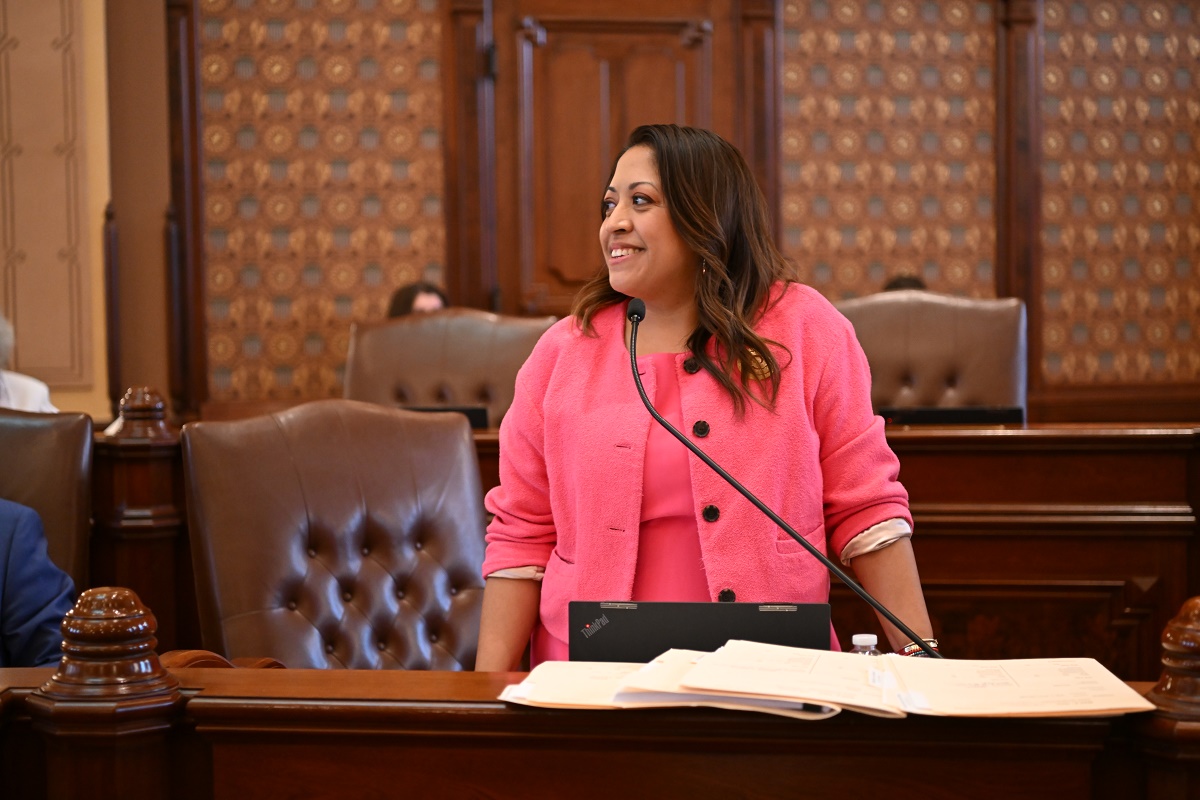 SPRINGFIELD – Graduating high school students will soon see more opportunities to attend Illinois’ public colleges and universities, thanks to a law led by State Senator Celina Villanueva that expands in-state tuition rates to any individual who attended an Illinois high school for three years.
“Expanding in-state tuition at public colleges and universities will offer an otherwise unreachable lifeline to so many students, especially those coming from vulnerable situations,” said Villanueva (D-Chicago). “This is about ensuring our higher education system prioritizes equity and opportunity for all.”
For the past several years, Illinois lawmakers have voiced concerns with college costs, specifically citing rising in-state tuition that has led to many students taking on more in education-related debt or seeking higher education across state lines. Villanueva recognizes that the continued rising cost of living disproportionately affects low-income families and students participating in Deferred Action for Childhood Arrivals – groups that often have to temporarily relocate due to unforeseen circumstances.
Read more: Villanueva law to expand in-state tuition at public institutions
- Details
- Category: Majority Report
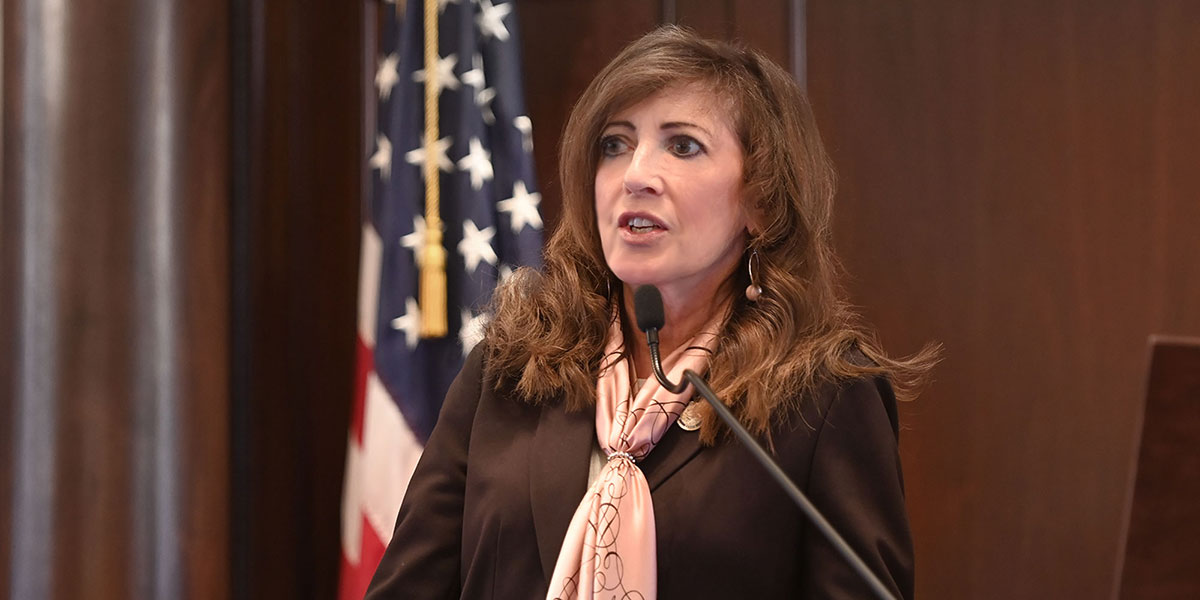
Holmes releases statement on her retirement from the Illinois State Senate
AURORA — State Senator Linda Holmes (D-Aurora) released the following statement announcing her retirement from the Illinois State Senate:
“Representing my community has been the honor of a lifetime. I am proud of the work we accomplished together—from advancing protections for pets and expanding access to health care, to supporting small businesses, protecting local control, strengthening Illinois’ unemployment system during the pandemic, and being the chief sponsor of Medical Aid in Dying legislation to give terminally ill patients greater dignity and choice.

Hastings' new law provides oversight of predatory Buy-Now-Pay-Later loans
SPRINGFIELD — Illinois consumers have seen that a rapid expansion of Buy-Now-Pay-Later loan services may seem convenient at first, but they can carry hidden costs, unexpected fees and financial risks that often go unnoticed until it is too late. In response, State Senator Michael E. Hastings passed a law enforcing stronger oversight of these predatory programs.
“This industry has grown so fast over such a short period of time,” said Hastings (D-Frankfort). “We are now to a point where Buy-Now-Pay-Later programs are operating like it’s the Wild West.”
Aquino law bans 'junk' fees in Illinois
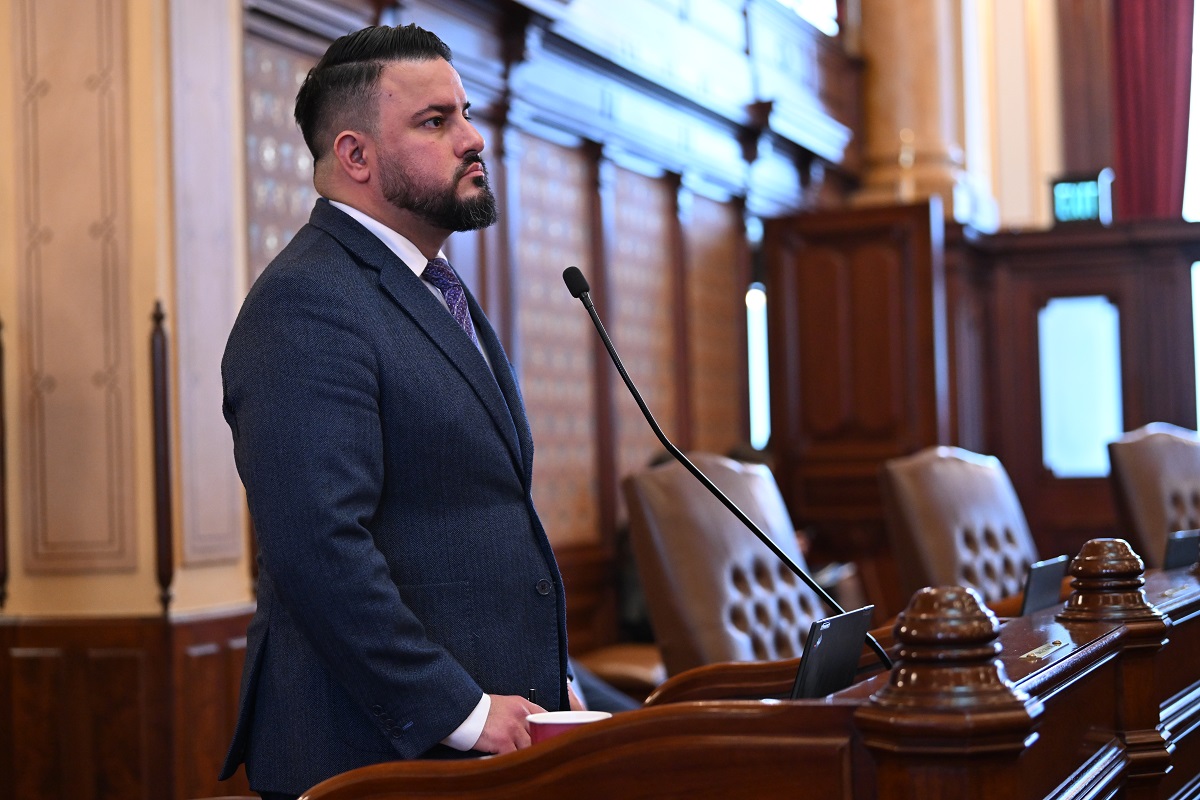
SPRINGFIELD — Following years of advocacy, State Senator Omar Aquino’s initiative to ban junk fees in Illinois was signed into law to protect consumers and increase transparency.
“Our state is facing unprecedented challenges due to devastating cuts from the federal spending plan under H.R. 1,” said Aquino (D-Chicago). “Banning junk fees is part of a broader effort to alleviate some of the financial pressure on Illinois families while our state continues to confront a national affordability crisis.”
Stadelman laws strengthen ticket buyer protections
SPRINGFIELD — Two measures championed by State Senator Steve Stadelman to protect consumers and promote a fairer, more transparent ticket resale marketplace were signed into law, banning the practice of speculative ticket sales in Illinois and helping ensure fairer access to event tickets by cracking down on automated bots and deceptive online resale practices.
“When consumers purchase a ticket, they should have confidence that the seller actually possesses it and can deliver it,” said Stadelman (D-Rockford). “House Bill 4984 protects fans from deceptive practices, promotes transparency in the resale marketplace and helps ensure Illinois consumers are treated fairly.”

In case you missed it
MEMBERS IN THE NEWS
Senator Glowiak Hilton, Western Springs: Illinois bill requiring railroad safety info in student handbooks awaits Pritzker's approval | WAND
Senator Karina Villa, West Chicago: Bill helping homeless students arrives on Pritzker's desk | WAND
Senator Ram Villivalam, Chicago: New Illinois e-bike rules begin July 1 amid suburban safety concerns | Patch Illinois
Copyright 2026 - Illinois Senate Democratic Caucus - All Rights Reserved
- Details
- Category: Senator Paul Faraci News
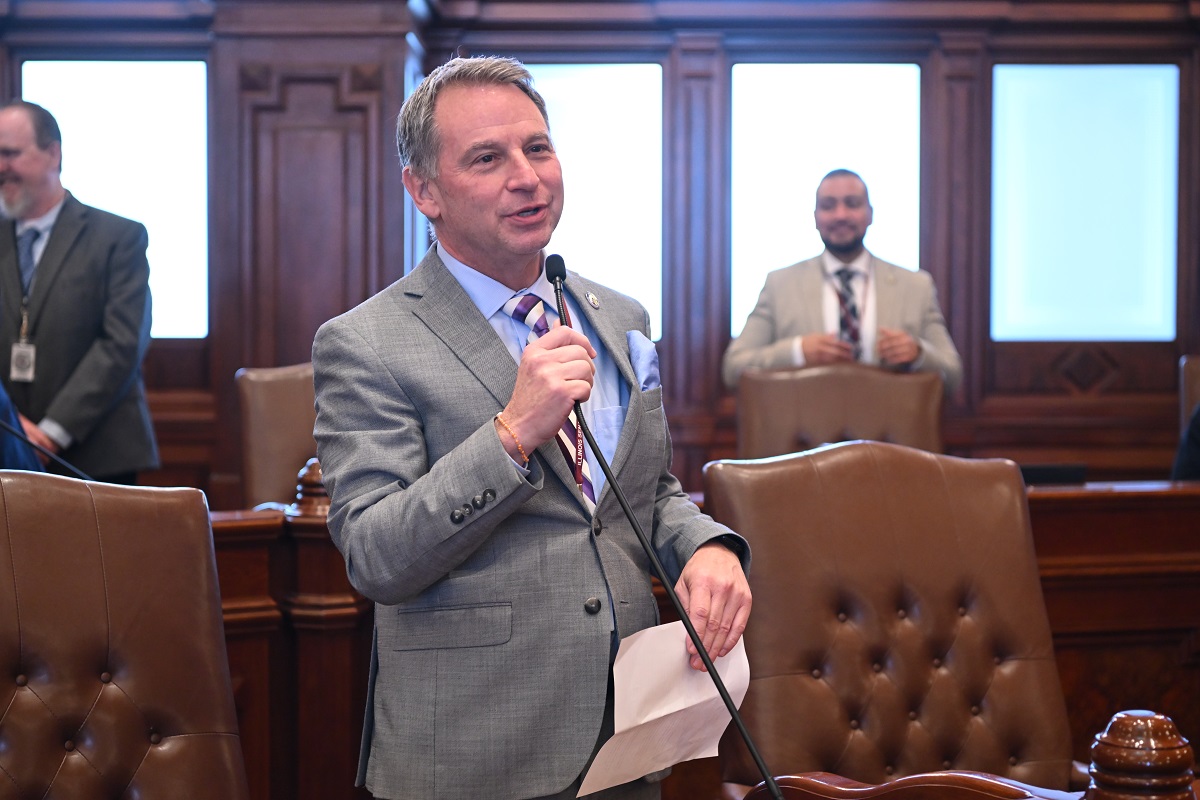 SPRINGFIELD – State Senator Paul Faraci’s measure that will modify how individuals with developmental disabilities are made aware of critical money-saving resources through the Senator Scott Bennett ABLE Program was signed into law Friday.
“This law will be essential for uplifting individuals with disabilities and their families so they can make real strides toward financial independence without violating SSI and Medicaid’s benefit eligibility rules,” said Faraci (D-Champaign). “With just a small change, we’re providing tangible relief to residents who are looking to maximize saving for their future and ensuring the Scott Bennett ABLE Program is accessible to everyone in need.”
Read more: Faraci law to expand financial freedom for individuals with disabilities
- Details
- Category: Senator Laura Fine News
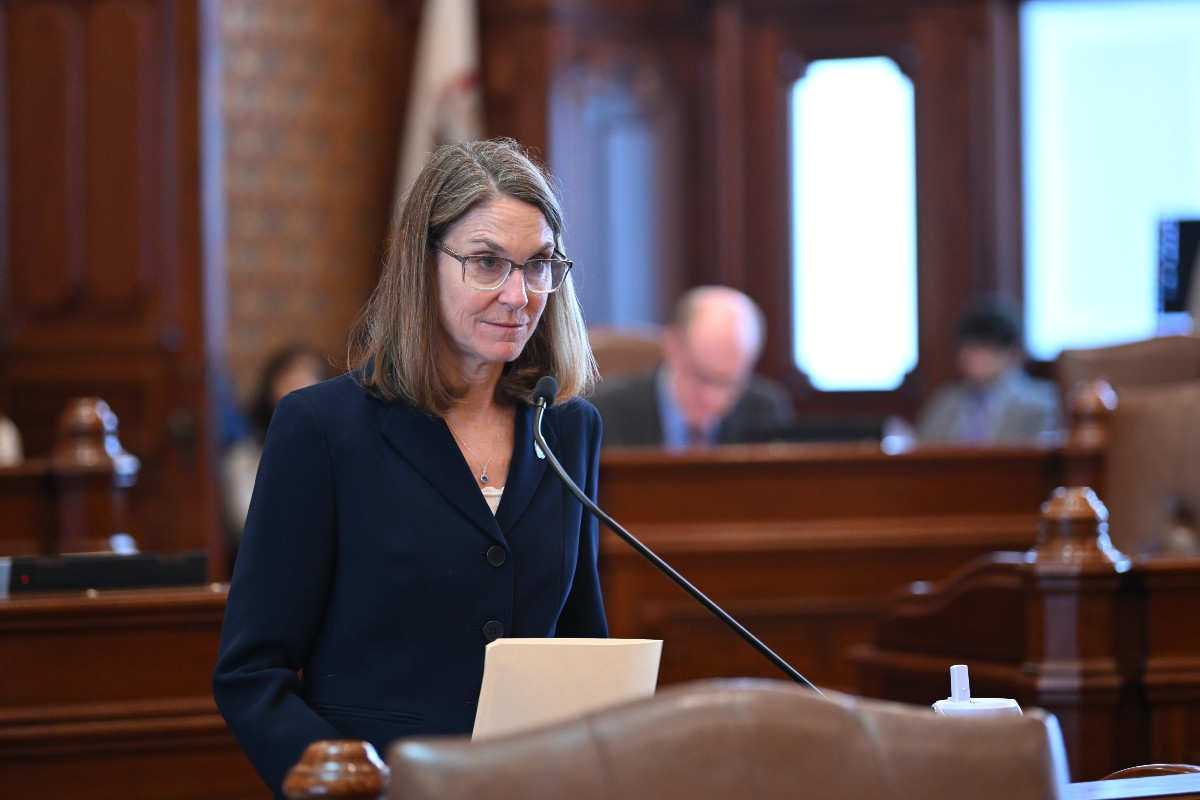 SPRINGFIELD – Legislation championed by State Senator Laura Fine to require clear ingredient labeling on diaper packaging has been signed into law, ensuring parents and caregivers have straightforward, reliable information about the products their children use every day.
“Families should have easy access to information about the products their children rely on,” said Fine (D Glenview). “By requiring ingredient disclosure on diaper packaging, this law gives parents greater confidence and helps them make choices that are right for their children.”
Concerns from parents, caregivers, and individuals with sensitivities to fragrances and other chemicals highlighted a gap in consumer information surrounding diaper products. While adults using medical-device-classified diapers are afforded certain ingredient disclosure protections under federal regulations, infant and children’s diapers have not been subject to the same transparency standards.
- Details
- Category: Senator Mike Halpin News
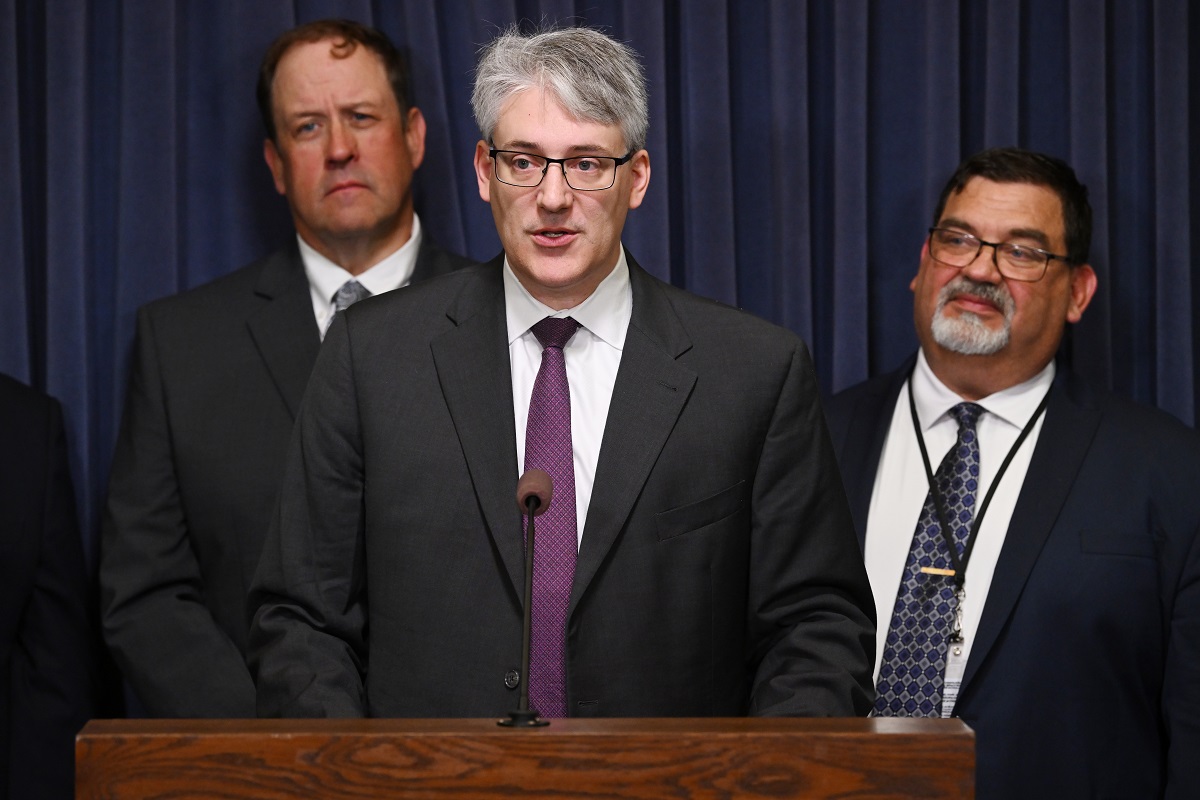 SPRINGFIELD – In the face of higher student debt for many in Illinois and across the country, State Senator Mike Halpin’s measure to keep track of the private student loan borrowing market has been signed into law.
“Student loans present a critical burden to students, graduates and their families,” said Halpin (D-Rock Island). “We need to keep track of the private student loan market in Illinois to get a sense of exactly how large that burden is and what the state needs to do to mitigate those effects.”
Read more: Halpin measure to keep track of Illinois student loan market signed into law
- Details
- Category: Senator Cristina Castro News
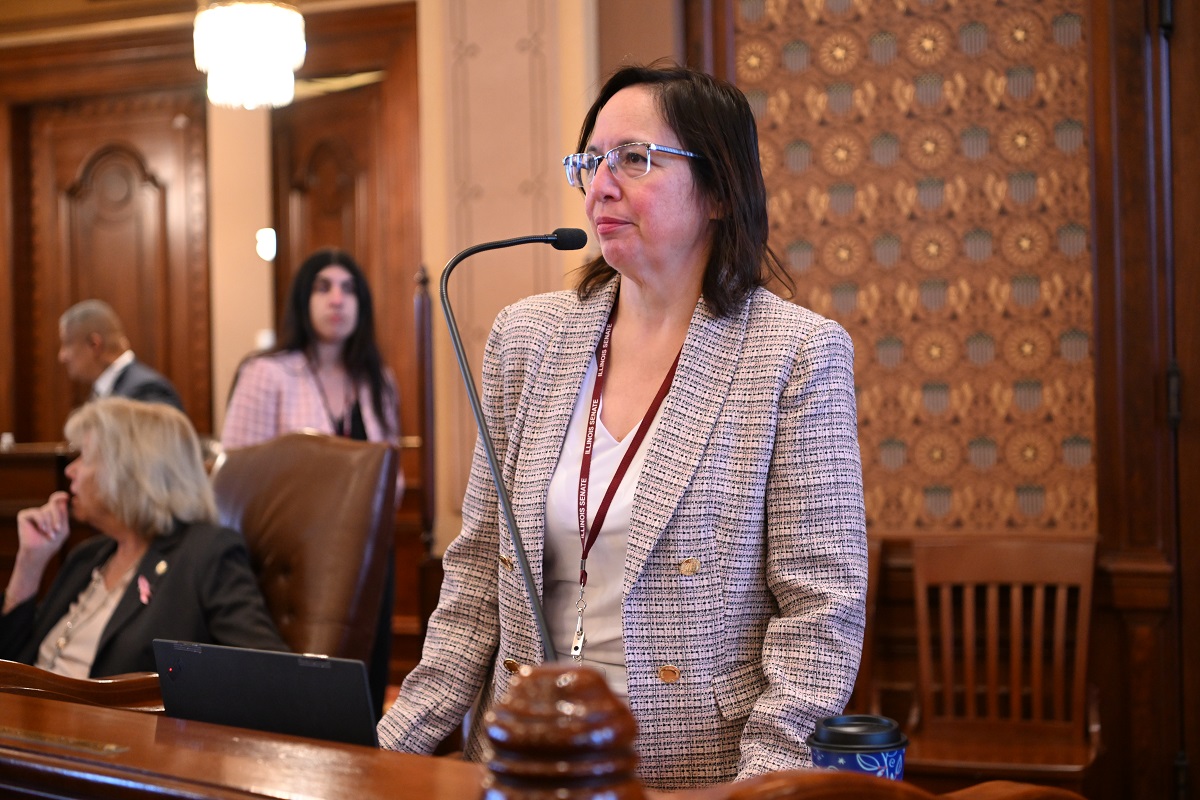 SPRINGFIELD — State Senator Cristina Castro spearheaded a new law that will provide ease of communication between police officers and drivers with an autism spectrum disorder.
“Strong communities depend on strong partnerships between residents and law enforcement,” said Castro (D-Elgin). “When officers can more effectively serve their communities, it leads to improved trust, accountability and outcomes for everybody.”
Nationwide, the Blue Envelope Program is a community-driven, voluntary initiative designed to improve communication and reduce stress during encounters between law enforcement and individuals with autism spectrum disorder. Advocacy groups such as the Autism Hero Project have led efforts to establish Blue Envelope Programs in states such as Massachusetts, Connecticut and Virginia.
Read more: Castro law to establish Illinois’ own Blue Envelope Program
- Details
- Category: Senator Elgie R. Sims Jr. News
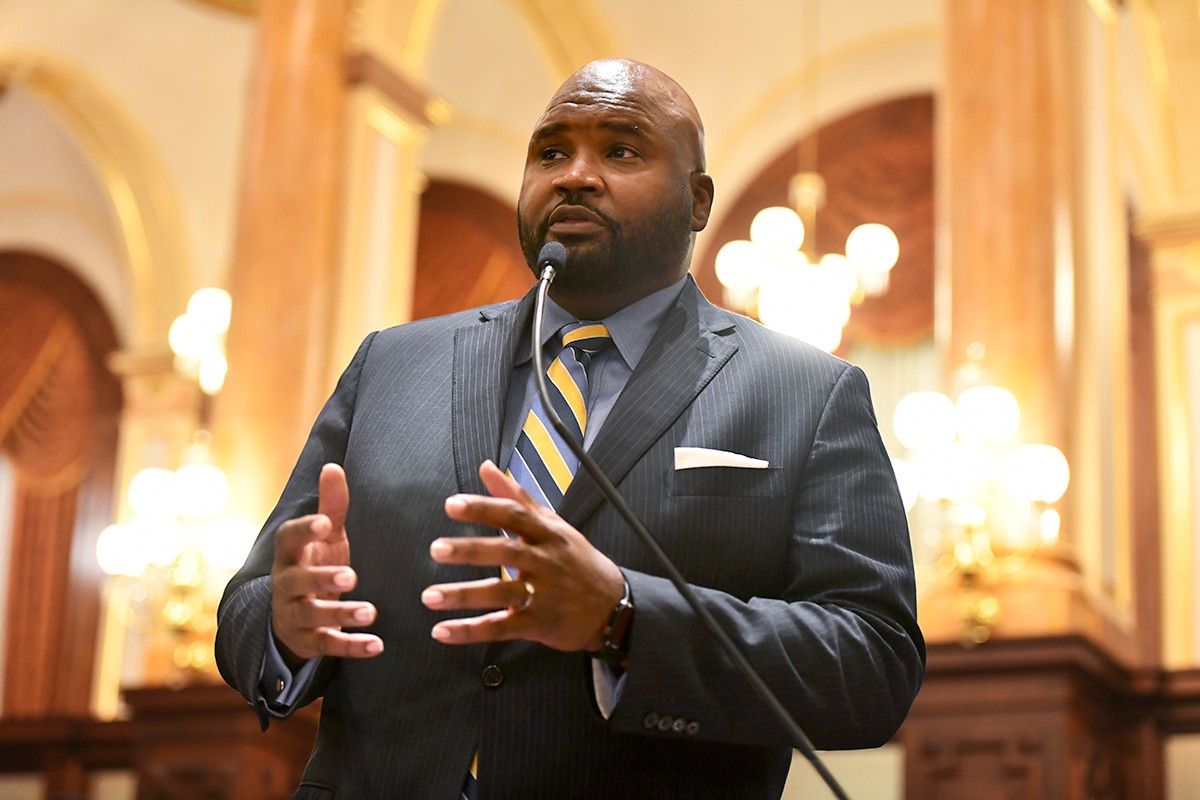 SPRINGFIELD — A measure led by State Senator Elgie R. Sims, Jr. that was signed into law Friday creates financial guardrails to ensure the criminal justice system supports family connections instead of restricting them.
“Mail correspondence is a vital – and often cost-effective – lifeline,” said Sims (D-Chicago). “When families already spend thousands just to stay in touch with an incarcerated loved one, they shouldn’t face yet another cost barrier to staying connected.”
Read more: Sims law protects incarcerated individuals’ connections with family, loved ones
More Articles …
Page 15 of 823

Follow ILSenDems




 (217) 782-2728
 321 State House
Springfield, IL 62706



(312) 814-2075
160 N. LaSalle St., Ste. 720
Chicago, IL 60601