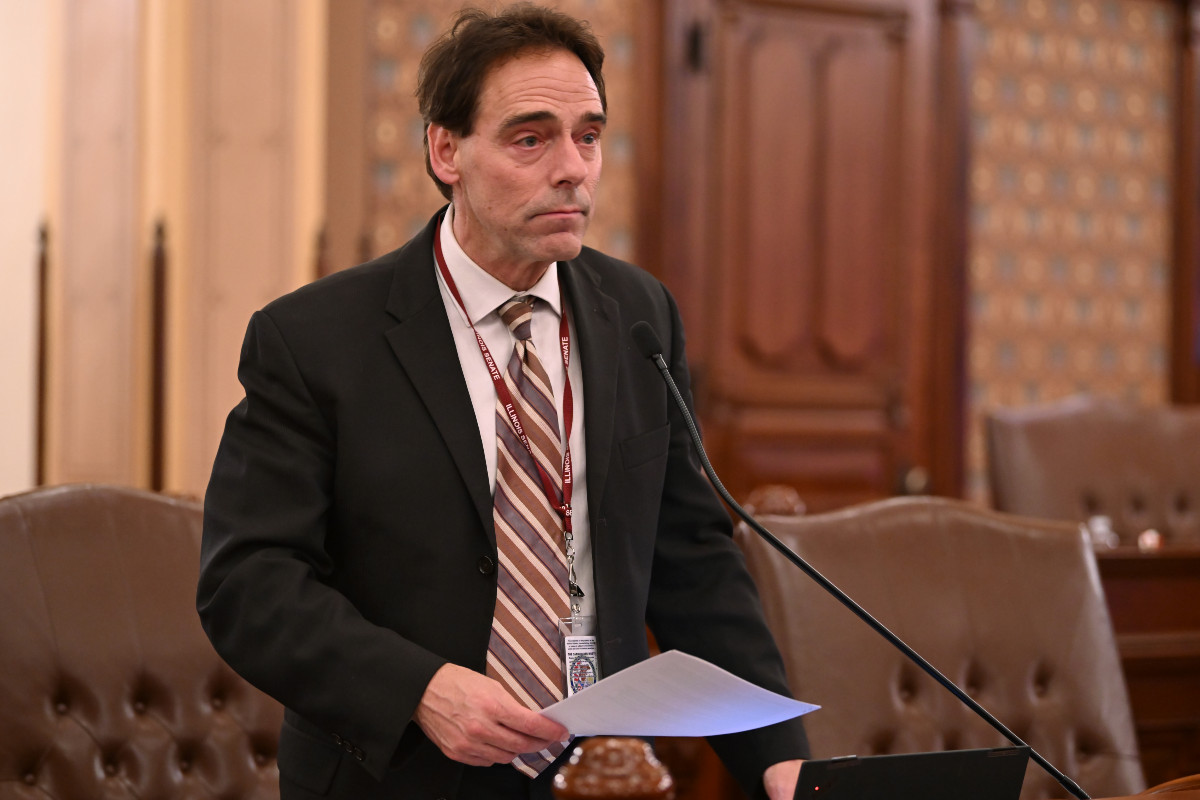
 SPRINGFIELD – Legislation championed by State Senator Steve Stadelman to strengthen protections for older adults and vulnerable individuals facing abuse, neglect and financial exploitation has been signed into law, providing courts with additional tools to intervene quickly and prevent further harm.
“Financial exploitation can be devastating, stripping vulnerable individuals of their savings, independence and security,” said Stadelman (D-Rockford). “This new law will give courts and law enforcement the ability to act swiftly when exploitation is suspected, helping protect victims and preserve their assets before irreversible damage occurs.”
The law creates a new mechanism to safeguard the assets of eligible adults who have been reported or found to be victims of abuse, abandonment, neglect, financial exploitation or self-neglect. Stadelman emphasized the law is intended to improve responses to exploitation cases involving scammers who may communicate only through apps or other indirect methods.
Illinois law allows the Illinois Attorney General, Illinois Department on Aging or a provider agency to petition to freeze an eligible adult’s assets when financial exploitation is suspected. The new law will expand those protections by allowing courts to issue temporary restraining orders that can prohibit further exploitation, freeze assets and lines of credit, bar contact with the victim, remove a respondent from a shared residence and provide greater clarity for law enforcement agencies. It will also ensure eligible adults can continue paying necessary living expenses while protections remain in place.
“Protecting vulnerable adults often requires immediate action, especially when bad actors are attempting to drain financial accounts or manipulate victims,” said Stadelman. “By strengthening the tools available to courts and law enforcement, this law will help stop exploitation sooner, improve accountability and provide greater peace of mind for older adults and their families.”
House Bill 4649 was signed into law Thursday and goes into effect Jan. 1, 2027.